

Can seam tracking sensors work in harsh environments? That's a question I get asked a lot as a supplier of seam tracking sensors. In this blog, I'll share my insights based on my experience in the industry.
First off, let's talk about what harsh environments mean. Harsh environments can include high temperatures, extreme cold, high humidity, dusty conditions, and exposure to chemicals or corrosive substances. These conditions can pose significant challenges to the performance and longevity of any electronic device, and seam tracking sensors are no exception.
But here's the good news: modern seam tracking sensors are designed to handle a wide range of harsh conditions. Many of our sensors are built with rugged enclosures that can withstand high temperatures and protect the internal components from dust and moisture. For example, our Butt Series Laser Weld Tracking Sensor FV - 150 - ZO - TD is engineered to operate in tough industrial settings. It has a high - quality housing that provides excellent protection against environmental factors.
In high - temperature environments, sensors need to be able to maintain their accuracy and functionality. Our sensors use advanced materials and cooling mechanisms to prevent overheating. The electronic components are carefully selected to have a wide operating temperature range. This means that even in a hot factory floor where the temperature can soar, our sensors can still perform reliably.

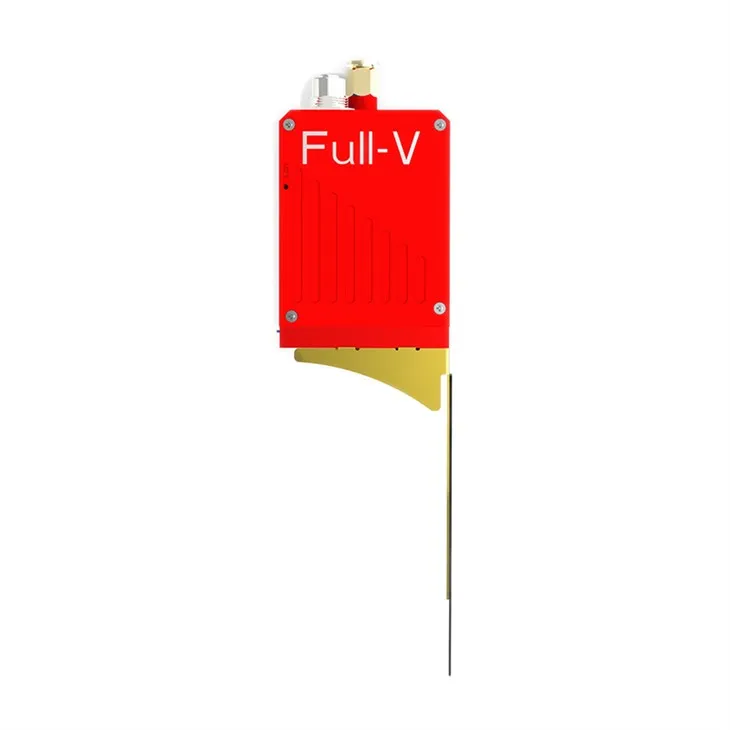
When it comes to dusty or dirty environments, sensors can easily get clogged, which can affect their performance. Our sensors are equipped with special filters and self - cleaning mechanisms. These features help to keep the optical components clean and ensure that the sensor can accurately detect the seam. The Butt Series Laser Weld Tracking Sensor FV - 210 - ZO - TD is a great example. It has a robust design that can handle dusty conditions without a significant loss in performance.
Humidity can also be a problem. Moisture can cause corrosion and short - circuits in electronic devices. Our seam tracking sensors are designed with moisture - resistant coatings and sealed enclosures. This protects the internal circuitry from the damaging effects of humidity.
Another aspect of harsh environments is the presence of chemicals or corrosive substances. In some industrial processes, sensors may be exposed to acids, alkalis, or other corrosive materials. Our sensors are made from materials that are resistant to corrosion. This ensures that they can operate for long periods in these challenging conditions without being damaged.
However, it's important to note that while our sensors are designed to work in harsh environments, proper maintenance is still crucial. Regular cleaning and inspection can help to ensure that the sensors continue to perform at their best. We also offer technical support to help our customers troubleshoot any issues that may arise.
In addition to the physical design, our sensors are also equipped with advanced software algorithms. These algorithms can adapt to different environmental conditions and compensate for any changes in the sensor's performance. For example, if the sensor detects a change in temperature or humidity, it can adjust its settings to maintain accurate seam tracking.
So, to answer the question, yes, seam tracking sensors can work in harsh environments. Our sensors are built to withstand the toughest conditions and provide reliable performance. Whether you're working in a foundry, a chemical plant, or any other harsh industrial setting, our seam tracking sensors can help you achieve precise and efficient welding.
If you're in the market for a seam tracking sensor and need a solution that can handle harsh environments, don't hesitate to reach out. We're here to help you find the right sensor for your specific needs. Our team of experts can provide you with detailed information and guidance on choosing the best sensor for your application. Let's have a chat and see how we can work together to improve your welding processes.
References
- Industry reports on sensor performance in harsh environments
- Technical specifications of our seam tracking sensors