

In the realm of modern manufacturing, welding is a critical process that demands precision and consistency. Weld tracking sensors play a pivotal role in ensuring the quality and efficiency of welding operations. As a leading supplier of weld tracking sensors, we understand the challenges posed by changes in welding process parameters and how our sensors effectively address them.
Understanding Welding Process Parameters
Welding process parameters encompass a wide range of variables, including welding current, voltage, speed, wire feed rate, and shielding gas flow. These parameters significantly influence the quality of the weld, such as its strength, appearance, and integrity. Any deviation from the optimal settings can lead to defects, such as porosity, lack of fusion, or excessive spatter.
For instance, an increase in welding current can result in a wider weld bead and deeper penetration, but it may also cause overheating and distortion. On the other hand, a decrease in welding speed can enhance the fusion between the base metal and the filler material, but it may also lead to excessive heat input and slower production rates. Therefore, maintaining the correct balance of these parameters is crucial for achieving high-quality welds.
How Weld Tracking Sensors Detect Changes
Our weld tracking sensors are equipped with advanced technology that enables them to detect changes in welding process parameters in real-time. These sensors use a combination of optical, laser, and ultrasonic technologies to monitor the welding process and provide accurate feedback to the welding system.
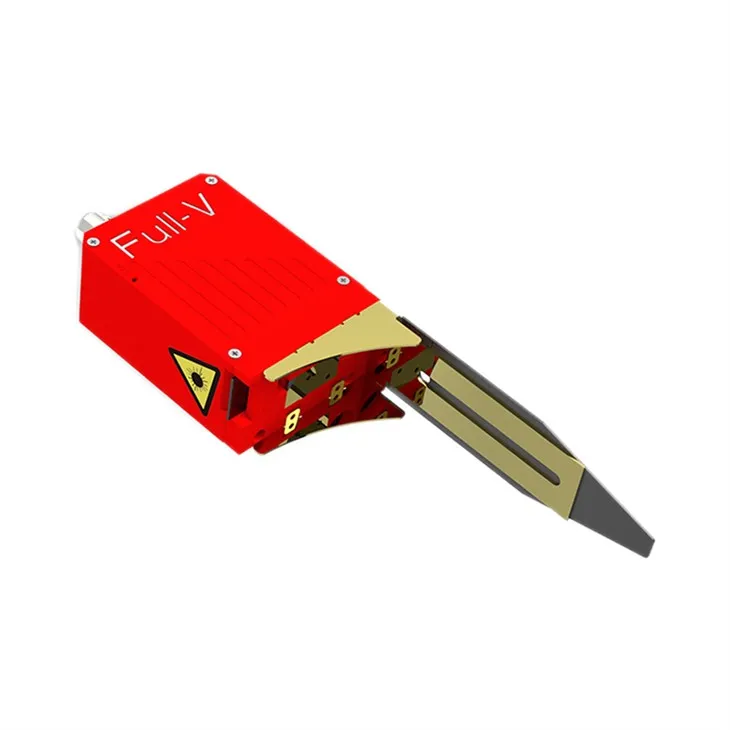
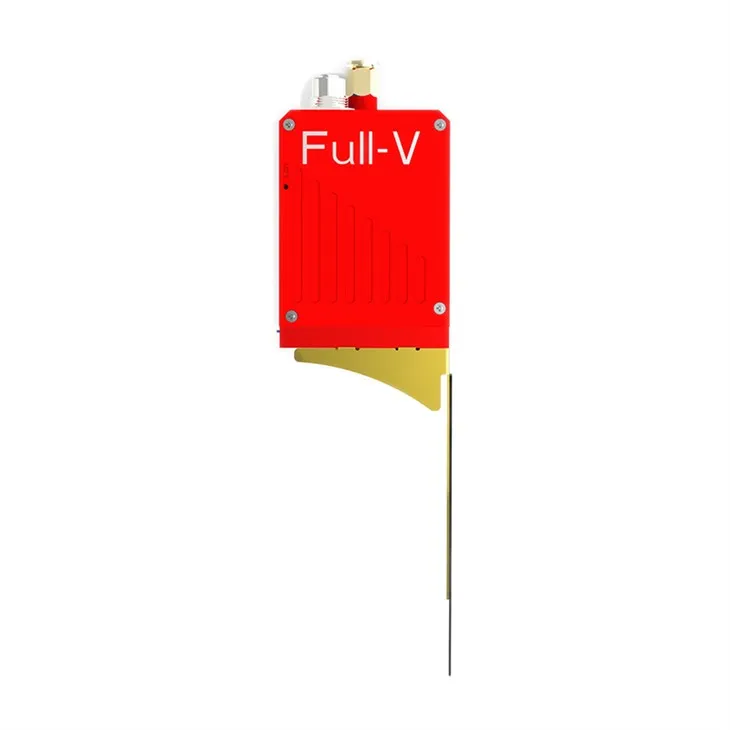
For example, our Butt Series Laser Weld Tracking Sensor FV-210-ZO-TD utilizes a laser triangulation method to measure the position and shape of the weld joint. The sensor emits a laser beam onto the weld joint, and the reflected light is captured by a camera. By analyzing the position of the reflected light, the sensor can determine the exact location of the weld joint and any deviations from the desired path.
In addition to laser triangulation, our sensors also incorporate other technologies, such as ultrasonic sensors, to detect changes in the welding process. Ultrasonic sensors can measure the thickness of the weld bead and detect any internal defects, such as porosity or cracks. By combining these technologies, our sensors can provide comprehensive information about the welding process and ensure the quality of the weld.
Adapting to Changes in Welding Process Parameters
Once the weld tracking sensor detects a change in the welding process parameters, it can take appropriate actions to correct the deviation and maintain the quality of the weld. Our sensors are designed to be highly adaptable and can adjust to a wide range of welding conditions.
For example, if the sensor detects a change in the welding current, it can automatically adjust the wire feed rate or the welding speed to compensate for the change. This ensures that the weld bead remains consistent and the quality of the weld is maintained. Similarly, if the sensor detects a change in the position of the weld joint, it can adjust the position of the welding torch to ensure that the weld is applied in the correct location.
Our Butt Series Laser Weld Tracking Sensor FV-150-ZO-TD is particularly effective in adapting to changes in welding process parameters. This sensor is equipped with a high-speed processor and advanced algorithms that can analyze the data from the sensors in real-time and make adjustments to the welding process as needed.
Benefits of Using Weld Tracking Sensors
The use of weld tracking sensors offers several benefits for manufacturers. Firstly, it improves the quality of the weld by ensuring that the welding process is consistent and accurate. This reduces the number of defects and rework, which in turn saves time and money.
Secondly, weld tracking sensors increase the efficiency of the welding process by reducing the need for manual intervention. This allows operators to focus on other tasks, such as quality control and maintenance, which can improve overall productivity.
Finally, weld tracking sensors enhance the safety of the welding process by reducing the risk of human error. By automating the welding process, the sensors can prevent accidents and injuries, which is particularly important in high-risk environments.
Conclusion
In conclusion, weld tracking sensors are essential tools for modern manufacturing. They play a crucial role in ensuring the quality and efficiency of welding operations by detecting and adapting to changes in welding process parameters. As a leading supplier of weld tracking sensors, we are committed to providing our customers with the latest technology and solutions to meet their welding needs.
If you are interested in learning more about our weld tracking sensors or would like to discuss your specific requirements, please feel free to contact us. We look forward to working with you to improve the quality and efficiency of your welding operations.
References
- Welding Handbook, American Welding Society
- Principles of Welding, John Wiley & Sons
- Laser Welding Technology, Springer