

In the world of welding, weld tracking sensors play a crucial role in ensuring precision and quality. As a leading supplier of weld tracking sensors, we understand the challenges that these sensors face, especially when it comes to dust and debris. In this blog post, we will discuss how to protect a weld tracking sensor from dust and debris, ensuring its optimal performance and longevity.

Understanding the Impact of Dust and Debris on Weld Tracking Sensors
Dust and debris can have a significant impact on the performance of weld tracking sensors. These particles can accumulate on the sensor's surface, interfering with its ability to accurately detect the weld seam. In addition, dust and debris can cause mechanical damage to the sensor, leading to premature failure.
One of the primary ways that dust and debris affect weld tracking sensors is by blocking the sensor's optical components. Many weld tracking sensors use lasers or cameras to detect the weld seam, and any obstruction to these optical components can result in inaccurate readings. For example, dust particles can scatter the laser light, making it difficult for the sensor to accurately measure the distance to the weld seam.
Another way that dust and debris can affect weld tracking sensors is by causing mechanical wear and tear. The constant exposure to dust and debris can cause the sensor's moving parts to wear out more quickly, leading to increased maintenance costs and downtime. In addition, dust and debris can also cause corrosion and other forms of damage to the sensor's housing and other components.
Protective Measures for Weld Tracking Sensors
To protect weld tracking sensors from dust and debris, it is important to take a proactive approach. Here are some effective protective measures that you can implement:
1. Enclosures
One of the most effective ways to protect weld tracking sensors from dust and debris is to use enclosures. Enclosures provide a physical barrier between the sensor and the surrounding environment, preventing dust and debris from coming into contact with the sensor. There are several types of enclosures available, including plastic enclosures, metal enclosures, and custom-made enclosures.
When choosing an enclosure for your weld tracking sensor, it is important to consider the specific requirements of your application. For example, if you are working in a high-temperature environment, you may need to choose an enclosure that is made of a heat-resistant material. In addition, you may also need to consider the size and shape of the enclosure, as well as the ease of installation and maintenance.
2. Air Purge Systems
Another effective way to protect weld tracking sensors from dust and debris is to use air purge systems. Air purge systems work by blowing clean air over the sensor's surface, preventing dust and debris from accumulating on the sensor. There are several types of air purge systems available, including compressed air systems, nitrogen purge systems, and filtered air systems.
When choosing an air purge system for your weld tracking sensor, it is important to consider the specific requirements of your application. For example, if you are working in a high-dust environment, you may need to choose an air purge system that is capable of providing a high volume of clean air. In addition, you may also need to consider the type of air filter that is used in the air purge system, as well as the frequency of filter replacement.
3. Regular Cleaning and Maintenance
Regular cleaning and maintenance are essential for ensuring the optimal performance of weld tracking sensors. By regularly cleaning the sensor's surface and components, you can prevent dust and debris from accumulating on the sensor, ensuring accurate readings and preventing mechanical damage.
When cleaning your weld tracking sensor, it is important to use a soft, dry cloth to avoid scratching the sensor's surface. In addition, you should also avoid using harsh chemicals or abrasive materials, as these can damage the sensor's components.
4. Proper Installation and Mounting
Proper installation and mounting are also important for protecting weld tracking sensors from dust and debris. By installing the sensor in a location that is protected from dust and debris, you can reduce the risk of damage to the sensor. In addition, you should also ensure that the sensor is properly mounted and secured, to prevent it from vibrating or moving during operation.
When installing your weld tracking sensor, it is important to follow the manufacturer's instructions carefully. In addition, you should also ensure that the sensor is installed in a location that is easily accessible for cleaning and maintenance.
Our Weld Tracking Sensors
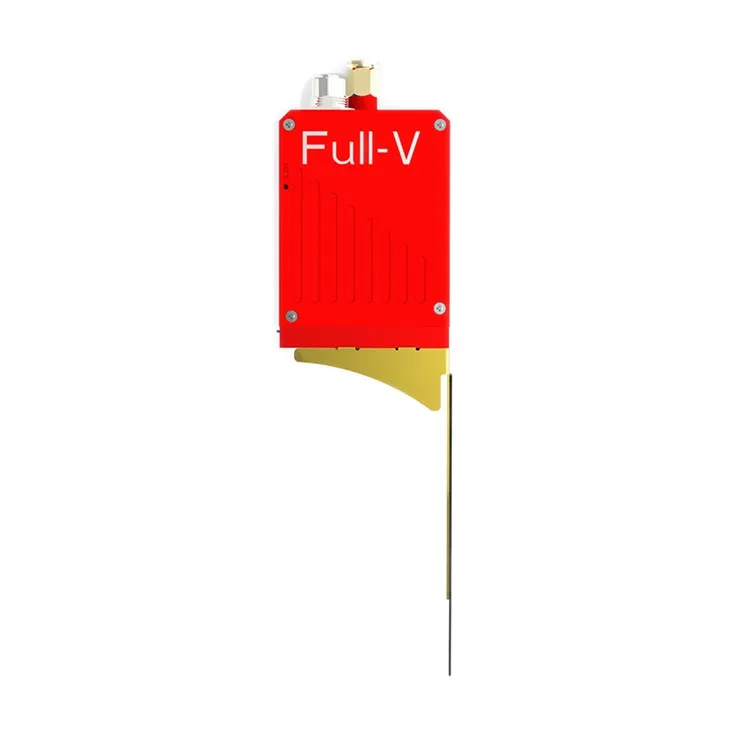
At our company, we offer a range of high-quality weld tracking sensors that are designed to provide accurate and reliable performance in even the most challenging environments. Our Butt Series Laser Weld Tracking Sensor FV-150-ZO-TD and Butt Series Laser Weld Tracking Sensor FV-210-ZO-TD are two of our most popular products, offering advanced features and high performance.
These sensors are designed to be highly resistant to dust and debris, thanks to their robust construction and advanced protective features. In addition, they are also easy to install and maintain, making them a popular choice for a wide range of welding applications.
Conclusion
Protecting weld tracking sensors from dust and debris is essential for ensuring their optimal performance and longevity. By implementing the protective measures discussed in this blog post, you can reduce the risk of damage to your sensors and ensure accurate and reliable performance.
If you are interested in learning more about our weld tracking sensors or have any questions about protecting your sensors from dust and debris, please do not hesitate to contact us. We are always happy to help and look forward to working with you to meet your welding needs.
References
- "Weld Tracking Sensors: A Guide to Selection and Use." Welding Journal, 2020.
- "Protecting Weld Tracking Sensors from Dust and Debris." Industrial Automation Magazine, 2021.