

Hey there! As a supplier of seam tracking sensors, I'm super excited to share all about the measurement ranges of these nifty devices. Seam tracking sensors are like the unsung heroes in the welding and manufacturing world. They make sure the welding process is spot - on, and the quality of the final product is top - notch. So, let's dive right into the different measurement ranges and what they mean for your projects.
What Are Measurement Ranges Anyway?
Before we get into the nitty - gritty of specific ranges, let's quickly understand what measurement ranges are. In simple terms, the measurement range of a seam tracking sensor is the span of distances or dimensions that the sensor can accurately detect and measure. It's like the "field of view" for the sensor, telling you how far it can "see" and analyze the seam.
Variability in Measurement Ranges
One of the first things you'll notice is that not all seam tracking sensors have the same measurement range. This variability depends on several factors, including the type of sensor, its intended application, and the technology it uses.
For instance, some sensors are designed for very precise and close - range measurements. These are great for applications where you're working on small - scale projects or need extremely accurate seam tracking. On the other hand, there are sensors with a much wider measurement range. These are ideal for large - scale manufacturing, where you might be dealing with long seams or bigger workpieces.
Types of Seam Tracking Sensors and Their Ranges
Laser - Based Seam Tracking Sensors
Laser - based sensors are some of the most popular types out there. They work by emitting a laser beam onto the seam and then analyzing the reflected light. This technology allows for very accurate and fast measurements.
The measurement range of laser - based seam tracking sensors can vary widely. Some entry - level laser sensors might have a measurement range of just a few millimeters. These are perfect for micro - welding applications, like in the electronics industry, where you're dealing with tiny components and need to ensure the seam is perfectly aligned down to the smallest detail.
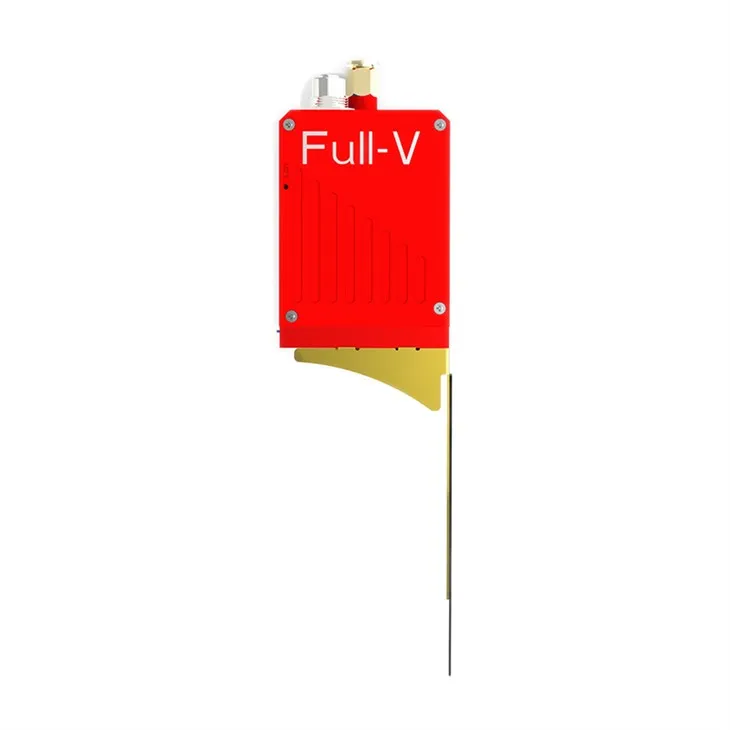
On the other hand, high - end laser sensors can have a measurement range of up to several centimeters or even more. For example, our Butt Series Laser Weld Tracking Sensor FV - 150 - ZO - TD is a great option when you need a medium - to - long - range measurement. It can accurately track seams over a range that's suitable for a variety of industrial welding projects, from automotive parts manufacturing to structural steel fabrication.
Another one in our lineup, the Butt Series Laser Weld Tracking Sensor FV - 210 - ZO - TD, offers an even broader measurement range. This sensor is perfect for large - scale manufacturing plants where you need to track seams over long distances without compromising on accuracy.
Ultrasonic Seam Tracking Sensors
Ultrasonic sensors use sound waves to detect the seam. They send out ultrasonic pulses and measure the time it takes for the echoes to return. This method is particularly useful in applications where you can't use laser sensors, such as in environments with a lot of dust or where the workpiece has a non - reflective surface.
The measurement range of ultrasonic seam tracking sensors usually falls between a few centimeters to a couple of meters. They are well - suited for applications like pipe welding, where you need to track the seam along the length of the pipe. However, their accuracy might not be as high as laser sensors over very short distances, so they're typically better for medium - to - long - range measurements.
Vision - Based Seam Tracking Sensors
Vision - based sensors use cameras to capture images of the seam. They analyze these images to determine the position and shape of the seam.

These sensors can have a fairly wide measurement range, depending on the camera's field of view and the resolution. Some vision - based sensors can cover a range of a few centimeters to several meters. They are highly flexible and can be used in a variety of applications, from robotic welding cells to assembly lines.
Factors Affecting Measurement Ranges
Several factors can impact the measurement range of a seam tracking sensor.
- Sensor Technology: As we've seen, different types of sensors have different inherent capabilities when it comes to measurement range. Laser sensors are usually more accurate over short to medium ranges, while ultrasonic and vision - based sensors can cover longer distances in some cases.
- Workpiece Material: The material of the workpiece can also matter. For example, a highly reflective material might be better suited for laser sensors, while a non - reflective or porous material might require an ultrasonic or vision - based sensor.
- Environmental Conditions: Harsh environments with a lot of dust, heat, or vibration can reduce the effective measurement range of a sensor. In these cases, you might need to choose a sensor that is more resistant to environmental factors or take additional measures to protect the sensor.
Choosing the Right Measurement Range for Your Project
So, how do you decide which measurement range is right for your project? Well, it all comes down to your specific needs.
- Project Size: If you're working on a small - scale project, like creating jewelry or electronic components, a sensor with a short measurement range will be sufficient. On the other hand, if you're involved in large - scale construction or manufacturing, a sensor with a broader range will be more appropriate.
- Accuracy Requirements: The level of accuracy you need also plays a big role. For projects where precision is crucial, like aerospace or medical device manufacturing, you'll want to choose a sensor that can offer high - resolution measurements within your required range.
Conclusion and Call to Action
Understanding the measurement ranges of seam tracking sensors is essential for getting the best results in your welding and manufacturing projects. Whether you need a sensor for a small - scale, high - precision job or a large - scale production line, we've got a solution for you.
Our range of sensors, including the Butt Series Laser Weld Tracking Sensor FV - 150 - ZO - TD and Butt Series Laser Weld Tracking Sensor FV - 210 - ZO - TD, offers a variety of measurement ranges to meet your specific needs.
If you're interested in learning more about our seam tracking sensors or want to discuss which sensor is the best fit for your project, don't hesitate to reach out. We're here to help you make the right choice and ensure your projects are successful.
References
- Industry literature on seam tracking sensor technology
- Product specifications of our seam tracking sensors