

Intelligent Vision Solutions (IVS) have revolutionized various industries, from manufacturing to security and surveillance. As a leading supplier of IVS, we understand the critical importance of security in safeguarding these advanced systems. In this blog post, we will explore the security protocols that are essential for protecting Intelligent Vision Solutions, ensuring the integrity, confidentiality, and availability of the data and systems involved.
1. Physical Security
Physical security is the first line of defense for any Intelligent Vision Solution. This involves protecting the hardware components, such as cameras, servers, and storage devices, from unauthorized access, damage, or theft.
- Installation in Secure Locations: Cameras and other sensors should be installed in areas that are physically protected, such as locked cabinets or rooms with restricted access. For example, in a manufacturing plant, cameras can be housed in enclosures that are resistant to dust, moisture, and tampering.
- Access Control: Implement strict access control measures to limit who can access the IVS hardware. This can include the use of key cards, biometric sensors, or combination locks. Only authorized personnel should be allowed to enter areas where the IVS equipment is located.
- Environmental Protection: Ensure that the physical environment where the IVS hardware is located is maintained within acceptable temperature, humidity, and power supply ranges. For instance, data centers that house the servers for IVS should have proper cooling and backup power systems to prevent hardware failures.
2. Network Security
Network security is crucial for protecting the communication channels between the different components of an IVS. This includes securing the data transmitted between cameras, servers, and other devices, as well as protecting the network infrastructure itself.
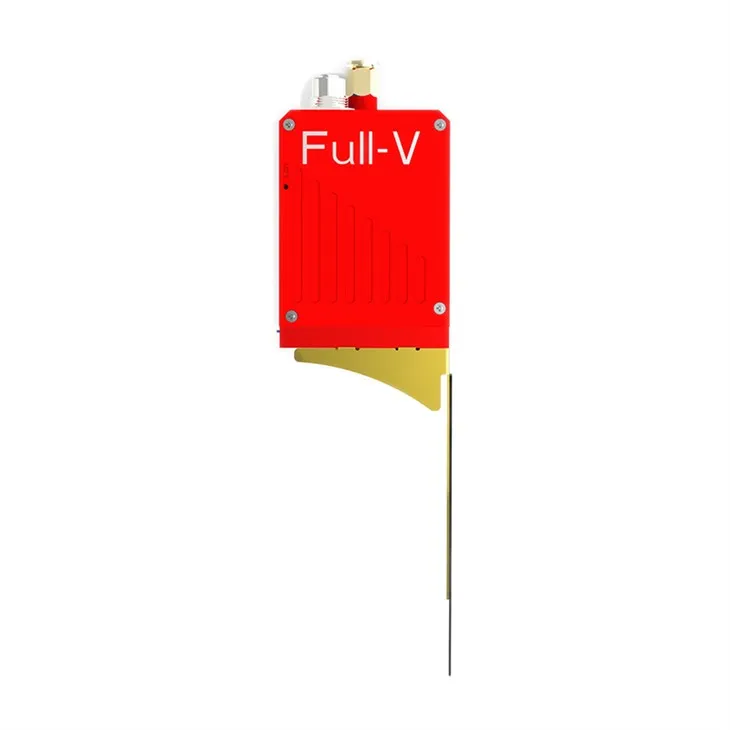
- Encryption: All data transmitted over the network should be encrypted using strong encryption algorithms. This ensures that even if the data is intercepted, it cannot be read by unauthorized parties. For example, the data from our Butt Series Laser Weld Tracking Sensor FV - 210 - ZO - TD and Butt Series Laser Weld Tracking Sensor FV - 150 - ZO - TD to the control server should be encrypted.
- Firewalls: Install firewalls at the network perimeter and between different segments of the network. Firewalls can block unauthorized access attempts and prevent malicious traffic from entering the IVS network. They can be configured to allow only specific types of traffic, such as data from authorized cameras and devices.
- Intrusion Detection and Prevention Systems (IDPS): Implement IDPS to monitor the network for any signs of unauthorized activity. These systems can detect and block attacks in real - time, such as network scans, brute - force attacks, and malware infections.
3. Data Security
Data stored and processed by Intelligent Vision Solutions contains sensitive information, such as images, videos, and analytics results. Protecting this data is essential to maintain the privacy and security of the users and the organizations using the IVS.

- Data Backup and Recovery: Regularly back up all the data related to the IVS to a secure off - site location. This ensures that in case of a data loss event, such as a hardware failure or a cyber - attack, the data can be recovered quickly. The backup data should also be encrypted to protect its confidentiality.
- Access Control for Data: Implement strict access control policies for the data stored in the IVS. Only authorized personnel should be able to access, view, and modify the data. This can be done through user authentication and authorization mechanisms, such as role - based access control (RBAC).
- Data Anonymization and Pseudonymization: When dealing with personal data in the IVS, consider using data anonymization and pseudonymization techniques. This helps to protect the privacy of the individuals while still allowing the data to be used for analytics and other purposes.
4. Software Security
The software components of an Intelligent Vision Solution, including the operating systems, firmware, and application software, are vulnerable to security threats. Ensuring the security of the software is essential for the overall security of the IVS.
- Regular Software Updates: Keep all the software components of the IVS up to date with the latest security patches and updates. Software vendors often release updates to fix security vulnerabilities, and failing to install these updates can leave the IVS exposed to attacks.
- Secure Coding Practices: When developing custom software for the IVS, follow secure coding practices. This includes input validation, proper error handling, and avoiding common security vulnerabilities, such as SQL injection and cross - site scripting (XSS).
- Software Integrity Checks: Implement software integrity checks to ensure that the software has not been tampered with. This can be done through the use of digital signatures and hash functions to verify the integrity of the software files.
5. User Authentication and Authorization
User authentication and authorization are essential for ensuring that only authorized users can access and operate the Intelligent Vision Solution.
- Multi - Factor Authentication (MFA): Implement MFA to add an extra layer of security to the user authentication process. MFA requires users to provide two or more forms of identification, such as a password, a fingerprint, or a one - time password (OTP).
- Role - Based Access Control (RBAC): Use RBAC to define the roles and permissions of different users in the IVS. This ensures that users only have access to the functions and data that are necessary for their job roles.
- User Training and Awareness: Provide regular training and awareness programs for the users of the IVS. This helps them to understand the security risks associated with the system and how to use it securely.
6. Incident Response and Management
Despite implementing all the security protocols, it is still possible for security incidents to occur. Having a well - defined incident response and management plan is essential for minimizing the impact of these incidents.
- Incident Detection and Monitoring: Continuously monitor the IVS for any signs of security incidents, such as unauthorized access attempts, data breaches, or system malfunctions. Use security information and event management (SIEM) tools to collect and analyze security - related data.
- Response Plan: Develop a detailed incident response plan that outlines the steps to be taken in case of a security incident. This includes steps for containing the incident, investigating the cause, and restoring normal operations.
- Post - Incident Analysis and Improvement: After an incident has been resolved, conduct a post - incident analysis to identify the root cause of the incident and to implement measures to prevent similar incidents from occurring in the future.
In conclusion, protecting Intelligent Vision Solutions requires a comprehensive approach that includes physical security, network security, data security, software security, user authentication and authorization, and incident response and management. As a leading supplier of IVS, we are committed to providing our customers with the highest level of security for their systems. If you are interested in learning more about our Intelligent Vision Solutions or would like to discuss your specific security requirements, please feel free to reach out to us for a procurement and negotiation discussion.
References
- Anderson, R. (2008). Security Engineering: A Guide to Building Dependable Distributed Systems. Wiley.
- Stallings, W. (2017). Cryptography and Network Security: Principles and Practice. Pearson.
- Whitman, M. E., & Mattord, H. J. (2018). Principles of Information Security. Cengage Learning.