

Yo, what's up! I'm a supplier of Intelligent Vision Solutions, and today I wanna chat about the shape recognition capabilities of these awesome solutions.
So, first off, let's get into what shape recognition in Intelligent Vision Solutions really means. Shape recognition is all about the system's ability to identify and analyze different shapes in an image or a real - world scene. It's like having a super - sharp pair of eyes that can tell a circle from a square, or a triangle from a rectangle, but on a much more advanced level.
One of the key aspects of shape recognition in our Intelligent Vision Solutions is the precision. We've developed algorithms that can detect even the slightest deviations in a shape. For example, if you're manufacturing parts and there's a tiny dent or a misalignment in a circular component, our system can spot it right away. This is crucial in industries like automotive and aerospace, where even the smallest defect can lead to big problems down the line.
Our solutions use a combination of techniques for shape recognition. One of them is edge detection. By identifying the edges of an object, the system can start to piece together what shape it is. It's like connecting the dots to form a complete picture. Once the edges are detected, the system can then analyze the angles and lengths of the sides to determine if it's a regular or irregular shape.
Another important technique is pattern matching. We have a database of known shapes, and the system compares the detected shape with these templates. If there's a match, it can quickly identify the object. This is really useful in quality control processes, where you need to make sure that every product coming off the production line matches the correct shape.
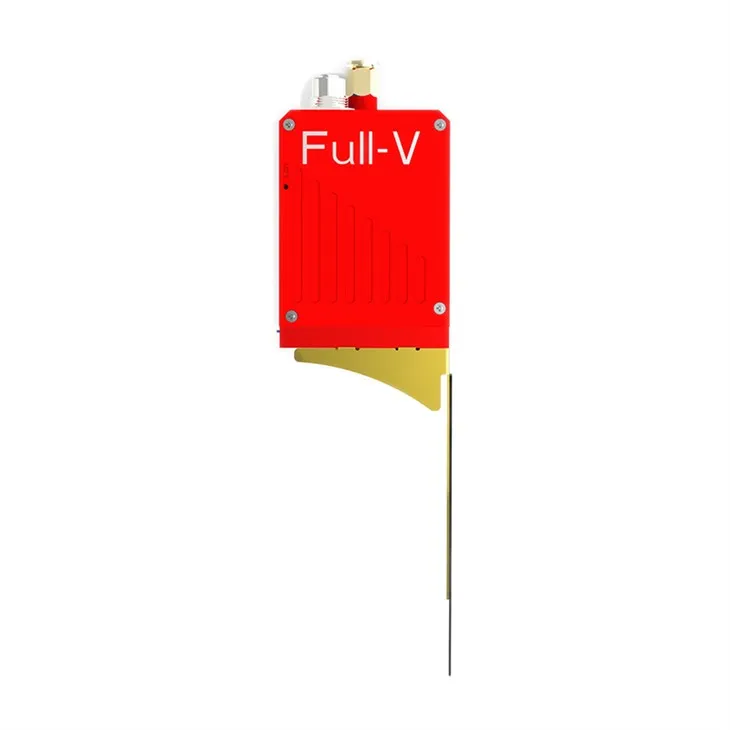
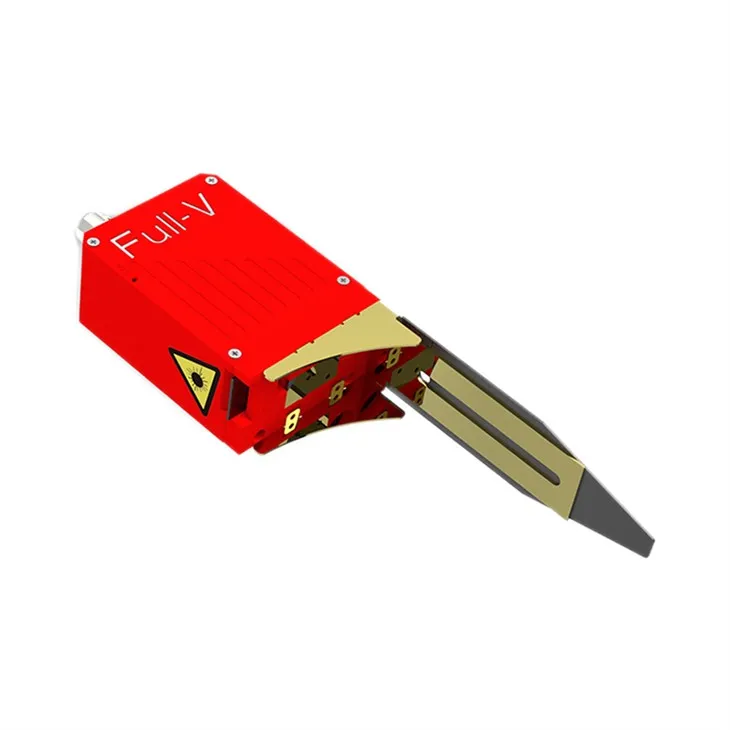
Let's talk about some real - world applications. In the welding industry, our shape recognition capabilities are a game - changer. Take our Butt Series Laser Weld Tracking Sensor FV - 210 - ZO - TD. This sensor uses intelligent vision to recognize the shape of the joint that needs to be welded. It can accurately track the joint, even if it's a complex shape, and adjust the welding process accordingly. This ensures a high - quality weld every time, reducing the chances of defects and rework.
Similarly, our Butt Series Laser Weld Tracking Sensor FV - 150 - ZO - TD is also equipped with advanced shape recognition technology. It can handle different types of joints, from simple straight seams to more intricate curved ones. By precisely recognizing the shape, it can optimize the welding parameters, such as speed and power, to achieve the best results.
In the food and beverage industry, shape recognition is used for sorting and quality control. Our Intelligent Vision Solutions can distinguish between different shaped products, like round fruits and rectangular boxes. This allows for efficient sorting on the production line, ensuring that only products of the correct shape and size are packaged and sent to market.
Now, let's touch on the challenges we face in shape recognition. One of the biggest issues is dealing with occlusions. Sometimes, an object may be partially blocked by another object, making it difficult for the system to see the complete shape. We've developed algorithms that can estimate the missing parts of the shape based on the visible edges and patterns. It's like using your imagination to fill in the blanks, but in a more scientific way.
Another challenge is lighting conditions. Poor lighting can distort the appearance of an object, making it harder to recognize its shape. Our solutions are designed to be robust to different lighting conditions. They can adjust the image processing parameters in real - time to compensate for variations in light intensity and color.
The accuracy of shape recognition also depends on the resolution of the camera used in the system. Higher resolution cameras can capture more details, which is great for detecting small shapes or subtle differences in shape. However, they also generate more data, which can put a strain on the processing power of the system. We've optimized our algorithms to balance between resolution and processing speed, ensuring that we get the best of both worlds.
In terms of the future of shape recognition in Intelligent Vision Solutions, I'm really excited. With the development of artificial intelligence and machine learning, we're going to see even more advanced capabilities. For example, systems will be able to learn from new shapes and adapt to different environments on the fly. This means that our solutions will become even more versatile and useful in a wider range of industries.
If you're in an industry where shape recognition is important, whether it's manufacturing, logistics, or any other field, our Intelligent Vision Solutions can offer you a lot. We've spent years developing and refining these technologies to provide you with the best possible performance.
So, if you're interested in learning more about how our shape recognition capabilities can benefit your business, don't hesitate to reach out. We're always happy to have a chat and discuss how we can tailor our solutions to your specific needs. Whether you need to improve quality control, increase efficiency, or solve a particular shape - related problem, we've got the expertise and the technology to help.
Let's start a conversation and see how we can work together to take your business to the next level.
References
- Various research papers on computer vision and shape recognition algorithms
- Industry reports on the applications of intelligent vision solutions in different sectors