

Hey there! As a supplier of weld tracking sensors, I often get asked about the accuracy stability of these sensors over time. It's a crucial question, especially for industries that rely on precise welding processes. So, let's dive into it and explore what accuracy stability really means and how it impacts the performance of weld tracking sensors.
First off, what is accuracy stability? In simple terms, it refers to the ability of a weld tracking sensor to maintain a consistent level of accuracy over an extended period. When you're using a weld tracking sensor in a production environment, you need it to perform reliably day in and day out. If the accuracy of the sensor fluctuates too much, it can lead to poor weld quality, increased scrap rates, and even production downtime.
There are several factors that can affect the accuracy stability of a weld tracking sensor over time. One of the most significant factors is environmental conditions. Welding environments can be harsh, with high temperatures, dust, and fumes. These conditions can take a toll on the sensor's components, causing them to degrade and affecting its accuracy. For example, dust and debris can accumulate on the sensor's lens, blocking the laser beam and reducing the sensor's ability to detect the weld joint accurately.
Another factor that can impact accuracy stability is mechanical stress. Weld tracking sensors are often mounted on robotic arms or other moving equipment, which can subject them to vibrations and shocks. Over time, these mechanical stresses can cause the sensor's internal components to shift or become misaligned, leading to a decrease in accuracy.
The quality of the sensor's calibration also plays a crucial role in its accuracy stability. A well-calibrated sensor will provide more accurate and consistent results over time. However, calibration is not a one-time process. It needs to be done regularly to ensure that the sensor is performing at its best. If the calibration is not maintained, the sensor's accuracy can gradually decline.
Now, let's talk about how we, as a weld tracking sensor supplier, address these issues to ensure the accuracy stability of our products. At our company, we use high-quality materials and components in the construction of our sensors. This helps to make them more resistant to environmental factors and mechanical stress. For example, our sensors are designed with robust enclosures that protect them from dust, fumes, and moisture.
We also pay close attention to the calibration process. Our sensors come with a comprehensive calibration procedure that ensures they are accurately calibrated before they are shipped to our customers. In addition, we provide our customers with detailed instructions on how to perform regular calibration checks to maintain the sensor's accuracy over time.
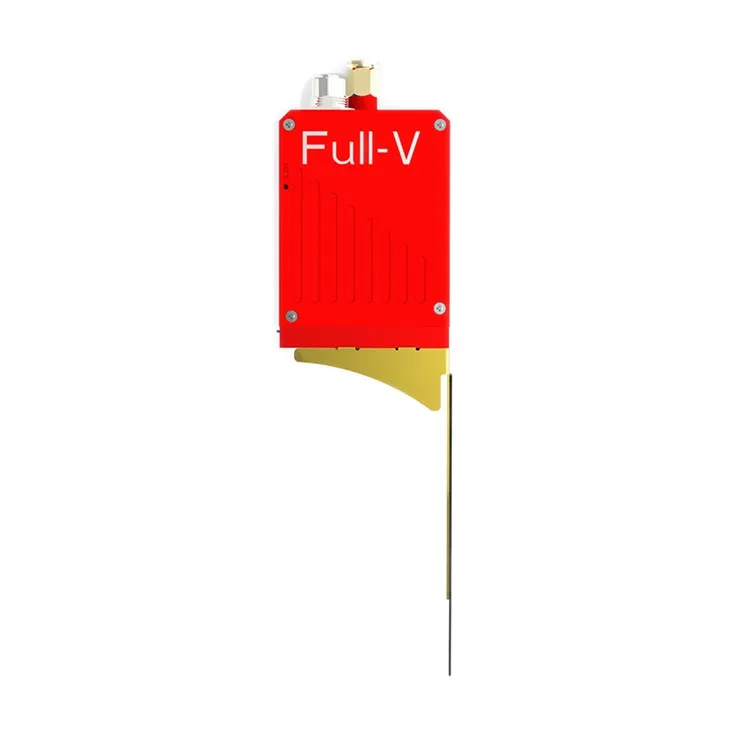

To give you an idea of the types of weld tracking sensors we offer, let me introduce you to two of our popular products. The Butt Series Laser Weld Tracking Sensor FV-150-ZO-TD is a high-performance sensor that is designed for thin butt welding applications. It uses advanced laser technology to provide accurate and reliable weld tracking, even in challenging environments.
Another great option is the Butt Series Laser Weld Tracking Sensor FV-210-ZO-TD. This sensor is similar to the FV-150 but offers even higher accuracy and stability. It's ideal for applications where precision is of the utmost importance.
In conclusion, the accuracy stability of a weld tracking sensor over time is a critical factor that can have a significant impact on the quality and efficiency of your welding processes. By choosing a high-quality sensor from a reputable supplier and taking steps to maintain its calibration, you can ensure that your sensor performs reliably and accurately for years to come.
If you're interested in learning more about our weld tracking sensors or have any questions about accuracy stability, don't hesitate to reach out. We're here to help you find the right solution for your welding needs. Whether you're in the automotive, aerospace, or manufacturing industry, we have the expertise and products to meet your requirements. So, let's start a conversation and see how we can work together to improve your welding processes.
References
- Industry standards and best practices for weld tracking sensors
- Technical documentation provided by the sensor manufacturer