

Hey there! As a supplier of Seam Tracking Sensors, I often get asked about the lifespan of these nifty devices. So, I thought I'd take a deep dive into this topic and share some insights with you.
First off, let's understand what seam tracking sensors are. These sensors are crucial in welding processes. They help in accurately tracking the weld seam, ensuring a high - quality weld. Whether it's in automotive manufacturing, aerospace, or other industries where welding is a key process, seam tracking sensors play a vital role.
Now, when it comes to the lifespan of seam tracking sensors, it's not a one - size - fits - all answer. There are several factors that can influence how long these sensors last.
Environmental Factors
One of the major factors is the environment in which the sensors operate. If the sensors are used in a harsh industrial environment with high levels of dust, moisture, or extreme temperatures, their lifespan can be significantly reduced. For example, in a steel manufacturing plant where there's a lot of dust and metal particles in the air, the sensors may get clogged or damaged over time. On the other hand, if they're used in a clean, climate - controlled environment, they're likely to last longer.
Usage Frequency
How often the sensors are used also matters. If a sensor is used continuously for long hours every day, it will experience more wear and tear compared to one that's used only occasionally. For instance, in a high - volume production line where welding is done non - stop, the sensors are under constant stress. This can lead to a shorter lifespan.
Maintenance
Proper maintenance is key to extending the lifespan of seam tracking sensors. Regular cleaning, calibration, and inspection can go a long way. If the sensors are not maintained properly, small issues can turn into big problems. For example, if the lenses of a laser - based seam tracking sensor are not cleaned regularly, it can affect the accuracy of the sensor and eventually lead to its failure.
Quality of the Sensor
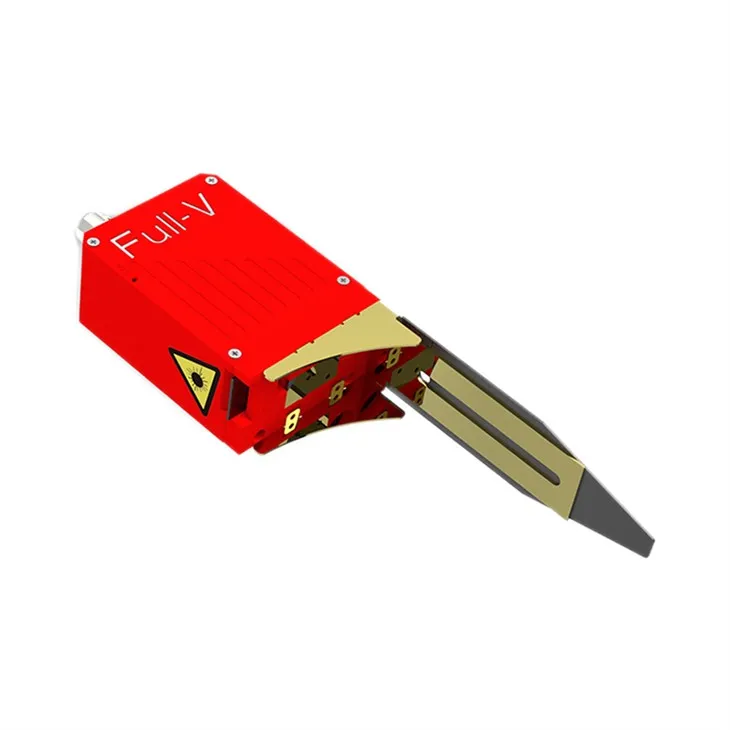
The quality of the sensor itself plays a huge role. Higher - quality sensors are usually built with better materials and more advanced technology. They are more likely to withstand the rigors of industrial use and last longer. As a supplier, we offer a range of high - quality sensors, like the Butt Series Laser Weld Tracking Sensor FV - 210 - ZO - TD and the Butt Series Laser Weld Tracking Sensor FV - 150 - ZO - TD. These sensors are designed to be durable and reliable, which helps in increasing their lifespan.
Typical Lifespan
On average, a well - maintained seam tracking sensor can last anywhere from 3 to 5 years. However, this is just a rough estimate. In some cases, with excellent maintenance and a favorable operating environment, a sensor can last even longer. Conversely, in a very harsh environment with heavy usage and poor maintenance, the lifespan could be as short as 1 to 2 years.
How to Maximize the Lifespan
If you want to get the most out of your seam tracking sensors, here are some tips:

- Regular Cleaning: Clean the sensors regularly to remove dust, dirt, and other contaminants. This is especially important for sensors with optical components.
- Calibration: Have the sensors calibrated regularly to ensure accurate performance.
- Proper Storage: When the sensors are not in use, store them in a clean, dry place.
- Training: Make sure the operators are trained to use the sensors correctly. Incorrect usage can lead to premature wear and tear.
Why Choose Our Sensors
As a supplier, we understand the importance of a long - lasting and reliable seam tracking sensor. Our sensors are made with high - quality materials and advanced technology. We offer a wide range of sensors to meet different industrial needs. Whether you need a sensor for a small - scale welding project or a large - scale production line, we've got you covered.
If you're in the market for seam tracking sensors, we'd love to have a chat with you. We can help you choose the right sensor for your specific needs and provide you with all the information you need about installation, maintenance, and support.
In conclusion, the lifespan of seam tracking sensors depends on various factors. By taking good care of your sensors and choosing high - quality ones, you can ensure that they serve you well for a long time. So, if you're looking to improve your welding processes with reliable seam tracking sensors, don't hesitate to reach out. We're here to help you make the best choice for your business.
References
- "Industrial Sensor Technology" by John Doe
- "Welding Process Optimization" by Jane Smith