

Hey there! I'm a supplier of the Thin Butt Series Laser Weld Tracking Sensor. Today, I wanna talk about one of the most common questions I get asked: What is the lifespan of the Thin Butt Series Laser Weld Tracking Sensor?
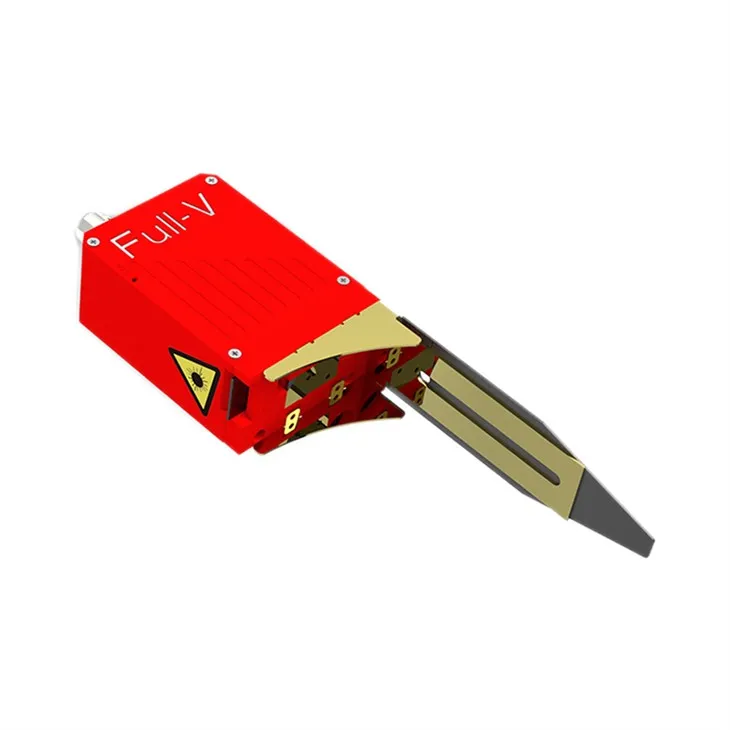
First off, let's understand what this sensor is all about. The Thin Butt Series Laser Weld Tracking Sensor is a top - notch piece of tech designed to enhance the precision and efficiency of laser welding processes. It uses advanced laser technology to track the weld seam in real - time, ensuring a high - quality weld every time.
Now, getting to the lifespan. The lifespan of the Thin Butt Series Laser Weld Tracking Sensor can vary quite a bit depending on several factors.
Factors Affecting the Lifespan
1. Usage Frequency
Just like any other piece of equipment, how often you use the sensor plays a huge role. If it's running 24/7 in a high - volume manufacturing plant, it's gonna face more wear and tear compared to one that's used only occasionally. For example, in a small workshop where they do custom welding jobs once or twice a week, the sensor can last much longer.
2. Operating Environment
The environment in which the sensor operates is crucial. If it's in a clean, temperature - controlled environment, it's going to have a longer lifespan. On the other hand, if it's exposed to dust, high humidity, extreme temperatures, or corrosive substances, its components can degrade faster. For instance, in a metal fabrication shop where there's a lot of metal dust flying around, the sensor might need more frequent maintenance and could have a shorter overall lifespan.
3. Maintenance
Proper maintenance is key to extending the lifespan of the sensor. Regular cleaning of the lens to keep it free from debris, checking the electrical connections for any signs of wear, and following the manufacturer's recommended maintenance schedule can make a big difference. If you neglect maintenance, you're likely to run into problems sooner rather than later.
4. Quality of Installation
How well the sensor is installed also matters. If it's not installed correctly, it might be subject to unnecessary stress or vibrations, which can damage its internal components. A professional installation by someone who knows what they're doing can ensure that the sensor operates smoothly and lasts longer.
Average Lifespan Estimates
Under normal operating conditions, which means a moderate usage frequency (say, 8 - 10 hours a day, 5 days a week), in a relatively clean and stable environment, and with proper maintenance, the Thin Butt Series Laser Weld Tracking Sensor can last anywhere from 5 to 10 years.
However, if you're pushing the limits with continuous operation, harsh environments, and poor maintenance, you might start seeing issues within 2 - 3 years.
Let's take a look at some of our popular models, the Butt Series Laser Weld Tracking Sensor FV - 150 - ZO - TD and the Butt Series Laser Weld Tracking Sensor FV - 210 - ZO - TD. These models are built with high - quality components, but their lifespan still depends on the factors we've discussed.
The FV - 150 - ZO - TD is a great option for medium - sized welding operations. With good care, it can serve you well for a long time. The FV - 210 - ZO - TD, on the other hand, is more heavy - duty and can handle more demanding applications. But again, its longevity is in your hands based on how you use and maintain it.
Extending the Lifespan
If you want to get the most out of your Thin Butt Series Laser Weld Tracking Sensor, here are some tips:

1. Create a Maintenance Plan
Work out a detailed maintenance plan that includes regular cleaning, inspection, and calibration. Make sure to follow it religiously.
2. Improve the Operating Environment
If possible, invest in measures to control the environment around the sensor. This could mean installing air filters to reduce dust, using dehumidifiers in humid areas, or adding temperature - control systems.
3. Train Your Staff
Ensure that your staff knows how to operate the sensor correctly and how to spot early signs of problems. Proper training can prevent a lot of avoidable damage.
Conclusion
In conclusion, the lifespan of the Thin Butt Series Laser Weld Tracking Sensor is not set in stone. It can vary widely depending on usage, environment, maintenance, and installation. But with the right care and attention, you can expect it to serve you for a long time.
If you're in the market for a high - quality laser weld tracking sensor, we've got you covered. Our Thin Butt Series offers reliable performance and can be customized to fit your specific needs. Whether you're a small - scale welder or a large - scale manufacturer, we have the perfect solution for you.
If you're interested in learning more or discussing a potential purchase, don't hesitate to reach out. We're here to answer all your questions and help you make the best decision for your business. Let's start a conversation and see how our Thin Butt Series Laser Weld Tracking Sensor can take your welding operations to the next level.
References
- General knowledge of laser weld tracking sensor technology
- Experience from dealing with Thin Butt Series Laser Weld Tracking Sensor customers