

In the realm of industrial manufacturing, round hole plug welding stands as a critical process, especially in sectors like automotive, aerospace, and heavy machinery. As a leading supplier of Special Software for Round Hole Plug Welding, I've witnessed firsthand the dynamic nature of welding conditions and how our software has adapted to meet these challenges.
The Changing Landscape of Welding Conditions
Welding conditions are far from static. They are influenced by a multitude of factors, including the type of materials being welded, the thickness of the workpieces, environmental conditions, and the specific requirements of the end - product. For instance, in the automotive industry, the shift towards lightweight materials such as aluminum and high - strength steel has presented new challenges for round hole plug welding. These materials have different thermal properties compared to traditional steels, which can affect the welding process.
Environmental conditions also play a significant role. Welding in a high - humidity environment can lead to issues such as porosity in the weld, while extreme temperatures can cause thermal stress and distortion. Moreover, the demand for higher precision and quality in welding has increased over the years, driven by the need for more reliable and durable products.
How Our Special Software Adapts
Material - Specific Adaptation
Our Special Software for Round Hole Plug Welding is designed to handle a wide range of materials. It has built - in algorithms that can adjust the welding parameters based on the material properties. For example, when welding aluminum, the software knows to use a higher welding current and a shorter welding time compared to steel. This is because aluminum has a higher thermal conductivity, which means it dissipates heat more quickly. By adjusting the parameters in real - time, the software ensures a consistent and high - quality weld.
Thickness Compensation
The thickness of the workpieces also affects the welding process. Our software can detect the thickness of the materials being welded and adjust the welding parameters accordingly. For thicker materials, it may increase the welding current and extend the welding time to ensure proper penetration. On the other hand, for thinner materials, it reduces the current and shortens the time to prevent burn - through.
Environmental Adaptation
To deal with environmental conditions, our software is equipped with sensors that can monitor factors such as temperature and humidity. If the humidity is too high, the software can adjust the welding process to reduce the risk of porosity. For example, it may increase the shielding gas flow rate to protect the weld pool from moisture. In extreme temperature conditions, the software can compensate for thermal expansion and contraction, ensuring that the weld remains accurate and strong.
Precision and Quality Control
In today's manufacturing environment, precision and quality are of utmost importance. Our software uses advanced algorithms to monitor the welding process in real - time. It can detect any deviations from the desired welding parameters and make immediate adjustments. For example, if the welding seam is not straight or if there are any defects in the weld, the software can correct the problem on the fly. This ensures that every weld meets the highest quality standards.

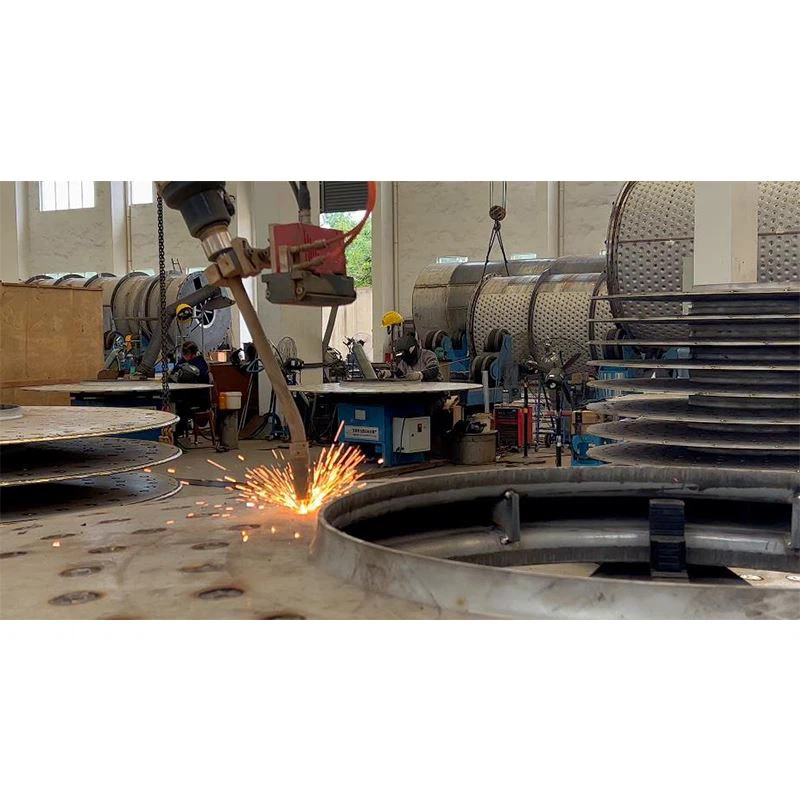
The Role of Special Hardware in Conjunction with the Software
Our Round Hole Plug Welding Special Industrial Computer works in tandem with the special software. This industrial computer provides a stable and reliable platform for the software to run on. It has high - performance processors and ample memory to handle the complex calculations required for real - time welding control.
The Laser Welding Seam Tracking Sensor for Round Hole Plug Welding is another crucial component. This sensor can accurately detect the position of the round hole and the welding seam. It provides real - time feedback to the software, allowing it to adjust the welding path and parameters accordingly. This ensures that the weld is centered in the round hole and that the seam is smooth and consistent.
Case Studies
Let's take a look at a few case studies to illustrate how our software has adapted to different welding conditions.
Automotive Manufacturing
In an automotive manufacturing plant, they were welding aluminum components for a new model of car. The traditional welding methods were causing issues such as porosity and inconsistent weld quality. After implementing our Special Software for Round Hole Plug Welding, the software adjusted the welding parameters based on the properties of aluminum. It increased the welding current and reduced the welding time, resulting in a significant improvement in weld quality. The porosity was reduced, and the welds were more consistent, meeting the strict quality standards of the automotive industry.
Aerospace Industry
In the aerospace industry, precision is crucial. A company was welding titanium components for an aircraft. The components had different thicknesses, and the welding conditions were challenging due to the high - strength nature of titanium. Our software was able to detect the thickness of each component and adjust the welding parameters accordingly. The Laser Welding Seam Tracking Sensor for Round Hole Plug Welding ensured that the weld was accurately placed in the round hole. As a result, the welds were of high quality and met the strict safety requirements of the aerospace industry.
Future Trends and Adaptation
The field of round hole plug welding is constantly evolving. New materials are being developed, and the demand for higher precision and efficiency is increasing. Our software is continuously being updated to adapt to these changes.
We are exploring the use of artificial intelligence and machine learning algorithms to further improve the software's ability to adapt to welding conditions. These technologies can analyze large amounts of data from previous welding processes and make more accurate predictions about the optimal welding parameters.
In addition, we are working on integrating the software with other manufacturing systems, such as robotic welding systems. This will allow for more seamless and automated welding processes, reducing human error and increasing productivity.
Contact for Procurement and Consultation
If you are in the market for Special Software for Round Hole Plug Welding or have any questions about how our software can adapt to your specific welding conditions, we encourage you to reach out. Our team of experts is ready to provide you with detailed information and support to help you make the best decision for your manufacturing needs. Whether you are a small - scale workshop or a large - scale industrial manufacturer, we have the solutions to meet your requirements.
References
- Smith, J. (2018). Advances in Welding Technology. Industrial Manufacturing Journal.
- Johnson, A. (2019). Material - Specific Welding Processes. Welding Research Quarterly.
- Brown, C. (2020). Environmental Factors in Welding. Manufacturing Science Review.