

Hey there, fellow welding enthusiasts! As a supplier of weld tracking sensors, I've seen firsthand how crucial these devices are in the welding industry. They help ensure precision, efficiency, and quality in welding processes. But over time, you might find that your existing weld tracking sensor isn't cutting it anymore. Maybe it's outdated, or perhaps you need more advanced features to meet your evolving welding needs. In this blog post, I'm gonna share some tips on how to upgrade a weld tracking sensor.
Why Upgrade Your Weld Tracking Sensor?
Before we dive into the upgrade process, let's quickly talk about why you might want to upgrade in the first place. Technology is constantly evolving, and newer weld tracking sensors come with a bunch of improvements. For instance, they might offer higher accuracy, better compatibility with different welding systems, or enhanced durability. Upgrading can also lead to increased productivity and reduced downtime, which ultimately means more money in your pocket.
Assess Your Current Sensor
The first step in upgrading your weld tracking sensor is to assess your current one. Take a close look at its performance, features, and limitations. Think about what's working well and what's not. Maybe it's having trouble detecting certain types of weld joints, or perhaps it's not providing accurate data in high - speed welding applications. Make a list of the pain points you're experiencing with your current sensor. This will help you determine what features you need in the new sensor.
Research New Sensors
Once you've identified your requirements, it's time to do some research on new weld tracking sensors. There are many options out there, each with its own set of features and capabilities. As a supplier, I can tell you that some of the top - of - the - line sensors on the market offer advanced algorithms for better joint detection, high - resolution imaging, and seamless integration with various welding robots and machines.
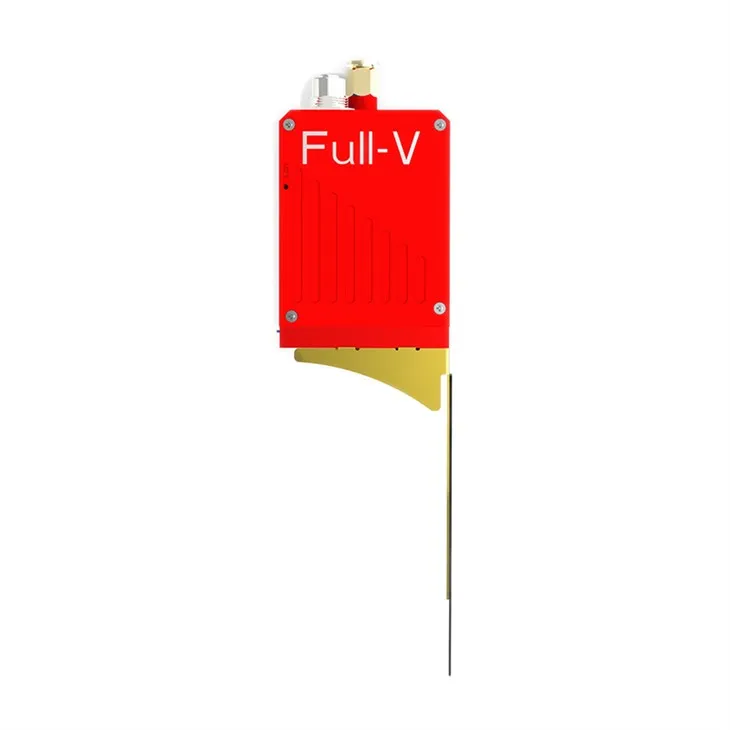
For example, we have the Butt Series Laser Weld Tracking Sensor FV - 210 - ZO - TD. This sensor is designed for thin butt welds and offers high precision and fast response times. It can easily adapt to different welding conditions and provides real - time feedback to ensure accurate welding. Another great option is the Butt Series Laser Weld Tracking Sensor FV - 150 - ZO - TD, which is also suitable for thin butt weld applications and comes with a user - friendly interface for easy operation.
Consider Compatibility
When choosing a new weld tracking sensor, compatibility is a must - consider factor. You need to make sure that the new sensor will work well with your existing welding equipment. Check the communication protocols, power requirements, and mounting options. Some sensors are designed to be plug - and - play, which means they can be easily integrated into your current system without a lot of hassle. Others might require some modifications or additional components. If you're not sure about compatibility, don't hesitate to reach out to the sensor manufacturer or a technical expert for advice.
Budgeting
Upgrading a weld tracking sensor can be a significant investment, so it's important to set a budget. Determine how much you're willing to spend based on your business needs and financial situation. Keep in mind that while more expensive sensors often come with more advanced features, there are also some great budget - friendly options available that can still meet your basic requirements. Compare the prices of different sensors and look for deals or promotions. Sometimes, you can get a good discount if you buy in bulk or during certain sales periods.

Installation and Training
Once you've chosen the new sensor, it's time to install it. If you're technically savvy, you might be able to install it yourself. However, I recommend having a professional do the installation, especially if it involves complex wiring or integration with your existing system. A professional installer can ensure that the sensor is installed correctly and calibrated properly for optimal performance.
After installation, you'll also need to train your operators on how to use the new sensor. Most sensor manufacturers provide training materials, such as user manuals and online tutorials. You can also request on - site training from the manufacturer or hire a third - party training provider. Proper training is essential to ensure that your operators can make the most of the new sensor's features and capabilities.
Testing and Optimization
After installation and training, it's time to test the new sensor. Conduct some test welds to see how it performs in real - world conditions. Monitor the sensor's data and compare it with your expectations. If you notice any issues, such as inaccurate joint detection or poor data quality, work with the sensor manufacturer to troubleshoot and optimize the settings. It might take some time to get everything just right, but the effort will be worth it in the long run.
Maintenance and Support
Finally, don't forget about maintenance and support. Regular maintenance is crucial to keep the sensor in good working condition. Follow the manufacturer's recommended maintenance schedule, which might include cleaning the sensor, checking the wiring, and calibrating it periodically. Also, make sure you have access to reliable technical support from the sensor manufacturer. In case of any problems or questions, you'll want to be able to get quick and helpful assistance.
Conclusion
Upgrading a weld tracking sensor is a process that requires careful planning and consideration. By assessing your current sensor, researching new options, considering compatibility and budget, and ensuring proper installation, training, testing, and maintenance, you can successfully upgrade your sensor and improve your welding operations.
If you're interested in learning more about our weld tracking sensors or have any questions about the upgrade process, feel free to reach out. We're here to help you make the best decision for your business. Whether you're looking for high - end sensors with all the bells and whistles or more affordable options that still get the job done, we've got you covered.
References
- Industry standards and best practices for weld tracking sensors
- Manufacturer's product documentation for various weld tracking sensors