

Hey there! As a supplier of Intelligent Vision Solutions, I often get asked about the development costs associated with these high - tech marvels. So, let's dive right in and break down what goes into the development costs of Intelligent Vision Solutions.

1. Research and Development (R&D)
The first and probably the most significant chunk of the development costs comes from R & D. We're not just talking about slapping a camera on a machine and calling it a day. Intelligent Vision Solutions involve complex algorithms, machine learning models, and a deep understanding of computer vision principles.
For instance, we need to develop algorithms that can accurately detect, classify, and track objects in real - time. This requires a team of highly skilled researchers, including computer scientists, mathematicians, and engineers. These experts spend countless hours in front of their computers, writing code, testing different models, and fine - tuning the algorithms to achieve the best possible performance.
We also have to invest in state - of the - art hardware for testing purposes. High - resolution cameras, powerful GPUs, and other specialized equipment are necessary to simulate real - world scenarios and ensure that our solutions work flawlessly. All of this hardware comes with a hefty price tag, and the cost of maintaining and upgrading it over time adds up quickly.
2. Hardware Costs
Hardware is another major factor in the development costs. The quality of the hardware used in an Intelligent Vision Solution can significantly impact its performance. We use high - end cameras with features like high frame rates, low noise, and high resolution to capture clear and detailed images.
For example, if we're developing a solution for industrial inspection, we need cameras that can operate in harsh environments, such as high temperatures, dust, and vibrations. These specialized cameras are much more expensive than consumer - grade ones.
In addition to cameras, we also need to consider the cost of other components like lenses, lighting systems, and data acquisition cards. The lenses need to be carefully selected to match the camera's specifications and the requirements of the application. Lighting systems are crucial for ensuring proper illumination of the objects being inspected, and different applications may require different types of lighting, such as backlighting, front lighting, or diffused lighting.
3. Software Development
Software is the brain of an Intelligent Vision Solution. Developing the software involves writing code for tasks like image processing, object recognition, and data analysis. We use programming languages like Python, C++, and Java, along with popular libraries such as OpenCV and TensorFlow.
The software development process is not only time - consuming but also requires a team of experienced software engineers. They have to write code that is not only accurate but also efficient, as real - time processing is often a requirement for Intelligent Vision Solutions.
We also need to invest in software development tools and licenses. Integrated Development Environments (IDEs), version control systems, and testing frameworks are essential for ensuring the quality and maintainability of the software. Additionally, some of the libraries and frameworks we use may require licensing fees, especially if we're using them for commercial purposes.
4. Testing and Validation
Once the Intelligent Vision Solution is developed, it needs to be thoroughly tested and validated. This involves conducting a series of tests in different scenarios to ensure that the solution meets the specified requirements.
We perform functional tests to check if the solution can accurately detect and classify objects as expected. We also conduct performance tests to measure its speed, accuracy, and reliability. These tests may involve testing the solution with a large number of samples to ensure that it can handle real - world volumes of data.
Validation is also crucial to ensure that the solution complies with industry standards and regulations. This may require us to work with third - party testing laboratories, which can add to the overall development costs.
5. Training and Support
Training and support are often overlooked but are important aspects of the development costs. Our customers need to be trained on how to use our Intelligent Vision Solutions effectively. This may involve providing on - site training, online tutorials, and user manuals.
We also need to have a support team in place to assist customers with any issues they may encounter. This team needs to be knowledgeable about the solution and be able to provide timely support. The cost of training the support team and maintaining the support infrastructure is an additional expense that we have to factor into the development costs.
Examples of Our Intelligent Vision Solutions
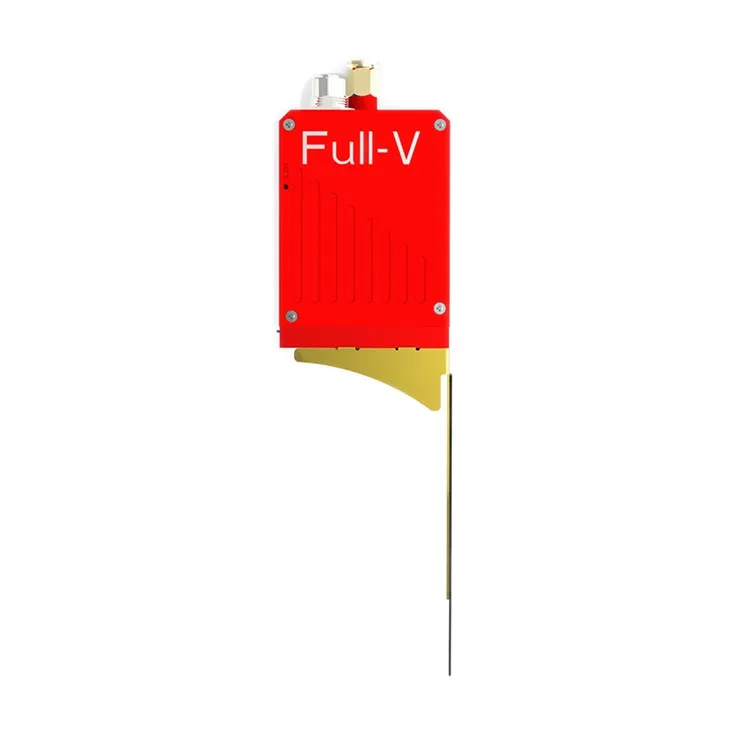
We offer a range of Intelligent Vision Solutions, including laser weld tracking sensors. Two of our popular products are the Butt Series Laser Weld Tracking Sensor FV - 150 - ZO - TD and the Butt Series Laser Weld Tracking Sensor FV - 210 - ZO - TD. These sensors use advanced laser technology and intelligent vision algorithms to accurately track the weld seam in real - time, ensuring high - quality welds in industrial applications.
The development of these sensors involved all the aspects we've discussed above. From R & D to hardware selection, software development, testing, and support, each step required significant investment.
Conclusion
In conclusion, the development costs of Intelligent Vision Solutions are quite high due to the complexity of the technology and the need for high - quality hardware and software. However, the benefits of these solutions, such as increased productivity, improved quality control, and reduced costs in the long run, often outweigh the initial investment.
If you're interested in learning more about our Intelligent Vision Solutions or have a specific application in mind, we'd love to have a chat with you. Whether you're in the manufacturing, automotive, or any other industry that can benefit from intelligent vision technology, we're here to help. Feel free to reach out to us to start a discussion about your requirements and how our solutions can meet them.
References
- Computer Vision: Algorithms and Applications by Richard Szeliski
- Machine Learning: A Probabilistic Perspective by Kevin P. Murphy
- OpenCV Documentation
- TensorFlow Documentation