

Hey there! As a supplier of Round Hole Plug Welding Private Switches, I often get asked about the best welding current for round hole plug welding in these private switches. It's a crucial question because the right welding current can make a huge difference in the quality and durability of the welds.
First off, let's talk about what round hole plug welding is. In simple terms, it's a welding process where a hole is drilled in one piece of metal, and then another piece of metal is placed over it. The welding current is then applied to melt the edges of the hole and the overlapping metal, creating a strong bond. In the context of private switches, this type of welding is used to ensure a secure and reliable connection between different components.
Now, determining the best welding current isn't a one - size - fits - all deal. There are several factors that come into play. One of the most important factors is the thickness of the metal. Thicker metals generally require a higher welding current. For example, if you're working with a relatively thin metal sheet, say around 1 - 2 mm thick, a lower welding current might be sufficient. A current in the range of 50 - 80 amps could work well. But if you're dealing with a thicker metal, like 5 - 6 mm, you'll probably need a current of 120 - 150 amps or even higher.
The type of metal also matters a great deal. Different metals have different melting points and electrical conductivity. For instance, aluminum has a lower melting point compared to steel. So, when welding aluminum for round hole plug welding in private switches, you might need a lower current compared to when you're welding steel. Steel usually requires a higher current to achieve a proper weld.
Another factor to consider is the welding electrode. The size and type of the electrode can affect the welding current. A larger electrode can handle a higher current, but it also needs to be compatible with the metal you're welding. For example, if you're using a small - diameter electrode, you'll need to adjust the current accordingly.

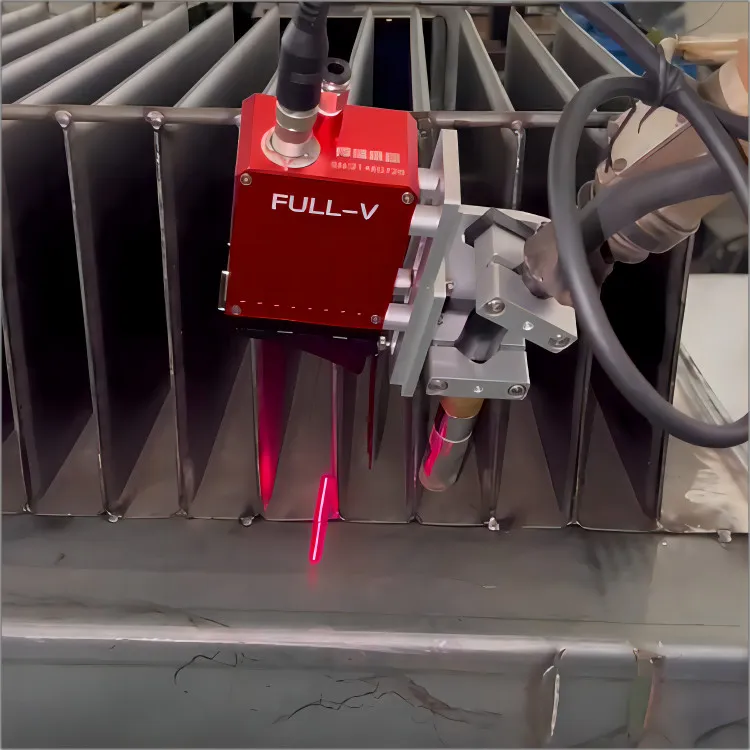
Let's take a look at some practical scenarios. If you're using a Round Hole Plug Welding Private Switch for a small - scale electronic device, where the metal components are relatively thin, you can start with a lower current setting. You can then make small adjustments based on the appearance and quality of the weld. If the weld looks too cold (not fully melted), you can increase the current slightly. On the other hand, if the weld is too hot and causing excessive spatter or burn - through, you'll need to lower the current.
In the context of our business, we've found that for most of our standard Round Hole Plug Welding Private Switches, a current range of 70 - 100 amps works well for common metal thicknesses (around 2 - 3 mm). But this is just a starting point. We always recommend doing some test welds on scrap pieces of the same metal to fine - tune the current.
Now, let's talk about some of the equipment and software that can help in achieving the best welding current. We offer a Special Software for Panel - type Radiators for Transformers Welding. This software can be really useful in determining the optimal welding current based on the metal type, thickness, and other parameters. It takes into account all the factors we've discussed and provides a recommended current setting.
We also have Panel - type Radiators for Transformers Welding Special Industrial Computer that can be integrated into the welding process. This computer can monitor the welding current in real - time and make automatic adjustments if necessary. It ensures that the welding process is consistent and that the welds are of high quality.
When it comes to safety, it's extremely important to follow all the safety guidelines when working with welding equipment. Make sure you're wearing the proper protective gear, like welding helmets, gloves, and aprons. Also, work in a well - ventilated area to avoid inhaling harmful fumes.
In conclusion, finding the best welding current for round hole plug welding in private switches is a combination of understanding the metal properties, using the right equipment, and doing some trial - and - error. We're here to help you every step of the way. If you're in the market for Round Hole Plug Welding Private Switches or need more information about the welding process, don't hesitate to reach out. We're always happy to have a chat and discuss your specific requirements. Whether you're a small - scale electronics manufacturer or a large - scale industrial operation, we can provide you with the best solutions for your welding needs.
So, if you're interested in learning more or making a purchase, feel free to get in touch with us. We're ready to assist you in getting the most out of your round hole plug welding process.
References:
- Welding Handbook, American Welding Society
- Metal Joining Processes, various industry publications